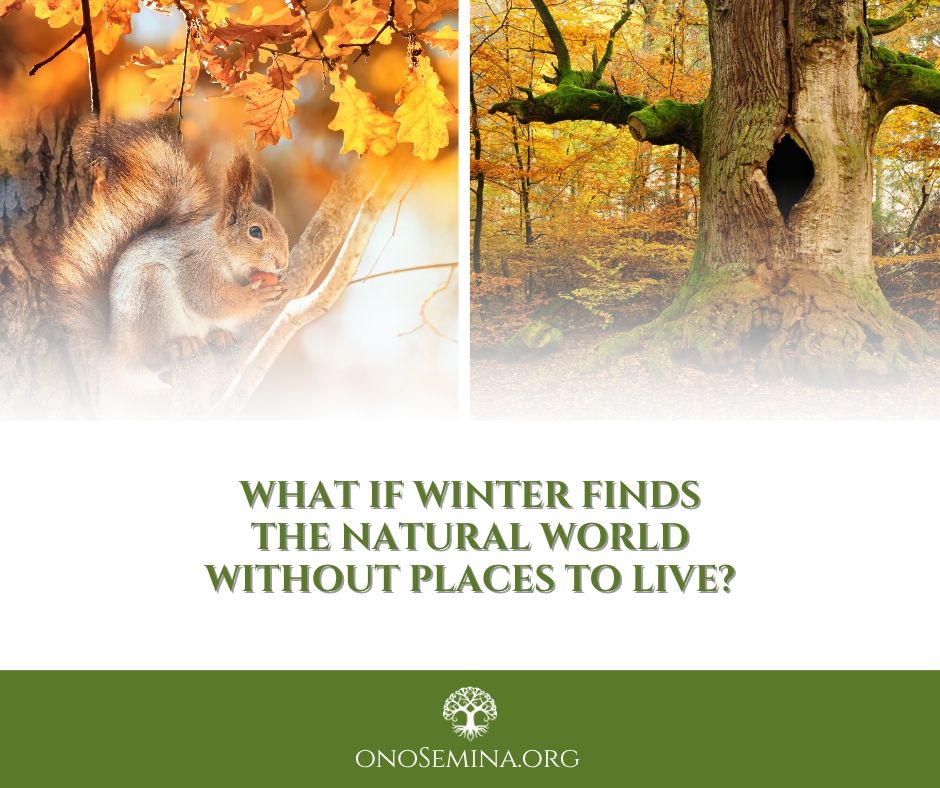
November brings a noticeable change to the landscape. Mornings become colder, days grow shorter, and the first frosts in many places remind us that winter is approaching. Forests gradually take on a different appearance. Tree canopies become less dense, plants slow their growth, and animals make use of the final weeks of autumn to prepare for the colder months ahead.
This is a remarkable stage in the natural cycle of life. Every species follows its own way of adapting to falling temperatures, shorter days and seasonal changes in food availability. For some, this means entering a period of dormancy. Others migrate, gather food supplies or search for safe places to shelter.
November offers a particularly good opportunity to observe how closely all living things depend on the balance of their surrounding environment.
Trees Prepare for Winter Dormancy
During autumn, deciduous trees gradually reduce their activity. Changes in daylight and temperature trigger processes that help them survive the winter months. Chlorophyll, the pigment responsible for the green colour of leaves, breaks down, allowing other pigments to become visible. This is what gives autumn canopies their familiar shades of yellow, orange and red.
Eventually, the leaves fall and the trees enter a period of dormancy. Their vital processes slow down, while stored nutrients help them withstand low temperatures. When conditions become favourable again in spring, they begin a new growing season.
Evergreen trees follow a different strategy. Most retain their needles throughout the year, and their structure helps reduce water loss. A protective waxy coating and the relatively small surface area of their needles help them cope with cold conditions.
These different adaptations allow tree species to respond to seasonal changes in their own ways. Winter dormancy is an important part of their life cycle, helping them conserve resources and prepare for the next growing season.
Plants protect their future growth
The November landscape may appear dormant, yet many important processes continue within the plant world. Numerous species have completed their active growing season and are now preparing for freezing temperatures.
Trees and shrubs have already formed buds containing the beginnings of next year’s leaves, shoots and flowers. Their outer protective scales help shield delicate tissues from winter conditions.
Herbaceous plants use a variety of survival strategies. Some spend the winter as seeds, while others retain underground roots, rhizomes or bulbs. These structures allow them to resume growth when the right conditions return.
Seeds and fruits that remain in the environment also play an important role. They provide food for many animals and help plants spread to new areas, allowing future generations to establish themselves.
The diversity of plant species gives ecosystems a range of ways to cope with seasonal changes. This is one of the reasons why protecting native vegetation matters so much. Plants that have developed in local conditions over long periods of time form an essential part of the habitats on which many other organisms depend.

Animals follow their own survival strategies
For animals, November is a period of significant change. Falling temperatures and seasonal shifts in food availability influence their behaviour, activity and choice of winter shelter.
Hedgehogs prepare for hibernation. They look for sheltered places where they can safely spend the coldest part of the year. Suitable hiding places help protect them from harsh weather while their bodies conserve energy during this period of reduced activity.
Squirrels gather food supplies, including seeds and nuts. They use tree hollows and other sheltered places, and during winter they may venture out periodically to retrieve food they have hidden earlier in the year.
Bats seek locations with suitable temperature and humidity levels. They spend the winter in places such as caves, rock crevices, underground passages and certain buildings. During hibernation, their bodies significantly reduce energy consumption.
Many bird species take a different approach and migrate over long distances. Swallows and other migratory birds travel to regions where they can find suitable conditions during winter. Meanwhile, tits, nuthatches, woodpeckers and many other species remain in Poland, adapting their activity to the changing season.
Each of these strategies has developed through generations of adaptation to the environment. Animals depend on the resources around them, and their ability to survive is closely linked to the availability of food, shelter and suitable habitats.
Forests remain full of life during winter
In winter, forests may appear quieter. There are fewer birds singing, many animals become less active, and vegetation enters a period of rest. Yet beneath this apparent stillness, processes continue that support the life of the entire ecosystem.
The soil remains home to countless microorganisms, fungi and small invertebrates. Some organisms remain active during milder periods, while others survive in dormant or overwintering stages. Tree and plant roots remain part of an intricate network of relationships that supports the development of the forest in the months ahead.
Old trees, natural thickets and deadwood are also particularly valuable. Tree hollows, gaps in bark and spaces beneath roots provide shelter for numerous species. These features create a varied forest structure and increase the number of places where wildlife can find refuge.
A natural forest is far more than a collection of trees growing side by side. It is a living community in which plants, animals, fungi and microorganisms are connected through countless relationships. Every element has its own role, and this diversity helps strengthen the resilience of the entire ecosystem.
Why ps protecting natural habitats so important before winter?
Preparing for winter requires suitable environmental conditions. Animals need places where they can shelter. Plants need the right conditions to survive and continue growing in the following season. Birds need areas where they can find food and safe places to rest during migration.
The transformation of natural areas, the removal of old trees, the clearing of dense vegetation and the simplification of habitats all affect the availability of these essential resources. As a result, wildlife loses potential shelter, breeding sites and spaces that allow animals to move between different areas.
Areas with diverse native vegetation are particularly valuable. They provide conditions suited to local species and support relationships that have developed within ecosystems over many generations.
This is why forest conservation and habitat protection need to consider the entire environment. Trees and shrubs matter, but so do the soil, water resources and all the organisms that contribute to the life of a particular area.
Restoring damaged ecosystems takes time and consistent effort. Re-establishing native plant communities, restoring degraded land and protecting natural areas over the long term help create conditions in which future generations of plants and animals can thrive.
November reminds us how important nature’s balance really is
The changing seasons reveal how remarkably living organisms adapt to different conditions. Trees enter dormancy, plants protect their future growth, animals adopt different survival strategies, and entire ecosystems adjust to the colder months ahead.
This natural cycle depends on organisms having access to suitable habitats and resources. Protecting the environment therefore means caring for much more than individual trees or particular animal species. It means looking after the wider natural world, its diversity and the relationships that connect all living things.
November is a good time to look at forests more closely. Every old tree, patch of natural scrub, native plant and remaining woodland area can play an important role in supporting countless forms of life.
onoSemina.org – Supporting Nature throughout the year
At onoSemina.org, we believe that the future of the natural world depends on the actions we take today. Our mission is to support forest conservation, protect native plant and animal species, preserve natural habitats and restore degraded land and natural ecosystems.
We believe in long-term commitment to an environment where different forms of life can develop according to their natural needs. This is a responsibility that extends beyond our own generation and concerns the world we will leave to those who come after us.
You can become part of this mission. Join the onoSemina Association, become a member, support our work with a donation or share information about our initiative with people who care about the future of the natural world.
Together, we can help preserve natural areas, restore native ecosystems and protect our shared natural heritage.
Think about how many lives depend on places that we still have the opportunity to protect. Old trees that provide shelter for birds for decades, native plants that supply food for different species, and forests where wildlife can live according to the rhythms of nature. This is a heritage worth protecting and passing on to future generations.
This is why your support matters. Every donation, membership and act of involvement helps us develop our conservation work. Together, we can help restore degraded land, protect natural habitats and support biodiversity.
Join onoSemina.org and become part of our shared commitment to the Earth. Help us protect the places that are home to countless species and an invaluable legacy for future generations.
Let us leave behind a world that is still full of life.
Here are the GBP bank account details for onoSemina, held with Wise.
If you are sending money from a UK bank account, you can use these details to make a domestic bank transfer. If you are sending money from outside the UK, please use an international SWIFT transfer.
Account name: onoSemina
UK domestic transfers:
- Account number: 80311613
- Sort code: 23-14-70
International transfers:
- IBAN: GB07 TRWI 2314 7080 3116 13
- SWIFT/BIC: TRWIGB2LXXX
Bank name and address:
Wise Payments Limited
1st Floor, Worship Square
65 Clifton Street
London, EC2A 4JE
United Kingdom