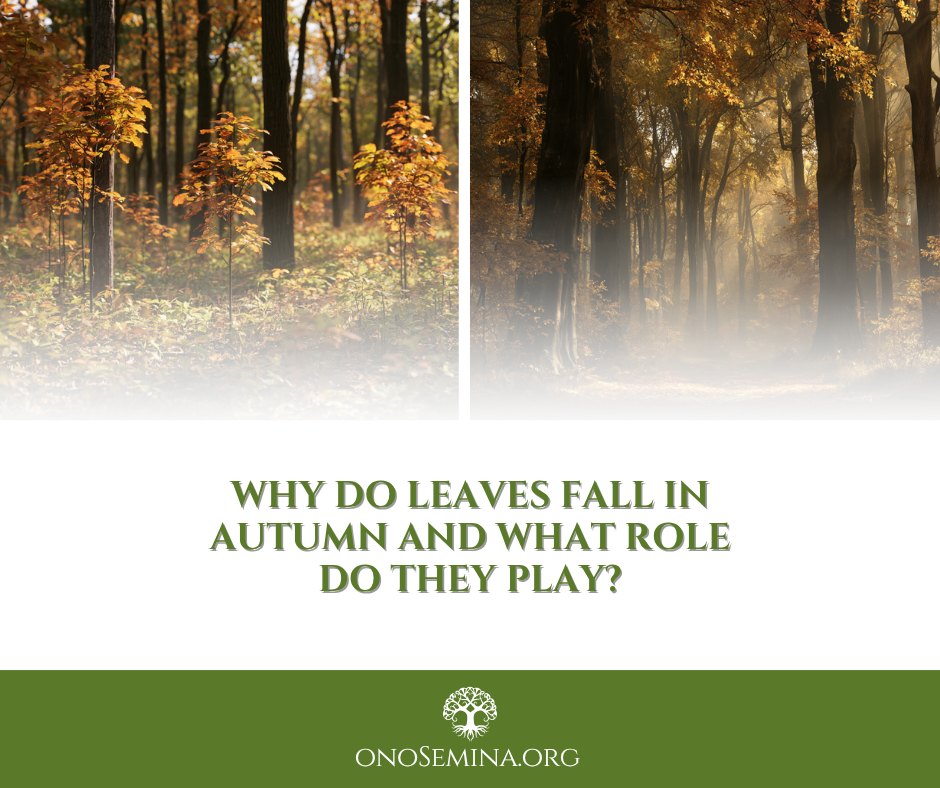
In autumn, the forest changes colour as the ground gradually becomes covered with leaves, twigs and fruits. This natural process sets further stages of the ecosystem’s nutrient cycle in motion. Everything that falls from the trees becomes part of an environment that nourishes the soil, supports organisms that break down organic matter and creates conditions for future generations of plants.
The autumn forest shows us that the future of an ecosystem also begins beneath our feet.
The forest floor – A natural source of life
A layer of fallen leaves forms the forest floor litter, which plays an important role in the functioning of a forest. It contains plant remains, small branches and organic matter at various stages of decomposition.
Fungi, bacteria, mites, springtails and other soil organisms are active within this layer. They break down plant remains, transform organic compounds and contribute to the cycling of nutrients.
As organic matter decomposes, it becomes part of the processes that shape soil properties. Water availability, temperature, the chemical composition of leaves and the activity of living organisms all influence the rate of these transformations.
Research conducted in oak-hornbeam forests in western Poland confirms that the rate of decomposition depends, among other things, on the characteristics of individual plant species. Leaves from different trees and forest-floor plants contribute to these processes in different ways.
This is precisely why plant diversity matters to the functioning of an entire ecosystem.
Every species contributes to the forest ecosystem
Oak, hornbeam, lime, maple and beech trees create different habitat conditions. Their leaves vary in chemical composition, and these properties influence how quickly and in what way they decompose.
A diverse forest also provides a rich variety of food sources, shelter and breeding sites for many organisms. Trees create habitats for birds, insects and mammals, while ground vegetation enriches the structure of the habitat. Fungi and microorganisms contribute to nutrient cycling, connecting different elements of this environment.
Each of these groups plays a particular role. Together, they form a network of relationships that supports the development of future generations of organisms.
For this reason, forest restoration requires consideration of local conditions and native vegetation. The selection of species should reflect the characteristics of the region, its soil, water conditions and climate.

Autumn prepares the forest for another spring
In autumn, many tree and shrub species produce ripe fruits and seeds. Some become food for animals, while others reach the soil, where they may begin the next stage of their development.
Squirrels gather food supplies, birds make use of available fruits and seeds, and many mammals prepare for the winter months. Autumn therefore marks an important transitional period in the lives of forest inhabitants.
At the same time, transformations take place in the soil and leaf litter. Their course depends on temperature, moisture and the properties of organic material. As the seasons change, the activity of different organisms changes as well.
The spring forest develops in an environment shaped by processes that take place throughout the year. Autumn leaves, seeds, roots, fungi and soil organisms all contribute to creating the conditions that support further plant growth.
Protecting forests means protecting the entire ecosystem
A forest consists of trees, shrubs, herbaceous plants, animals, fungi, microorganisms, soil and water. The relationships between them determine how a habitat functions and how well it can regenerate.
Forest protection therefore also involves caring for native species, vegetation structure, natural soil processes and the living conditions of animals.
The restoration of degraded land is particularly important. On such sites, measures that support the growth of native flora can help restore conditions suitable for diverse animal life. Long-term protection of these areas helps preserve the results and supports the continued development of the ecosystem.
This approach aligns with the mission of onoSemina.org, which supports forest conservation, reforestation and the restoration of natural biospheres characteristic of individual regions around the world.

The autumn forest shows just how valuable every element of a natural ecosystem is. Native tree species, healthy soil, fungi, insects and animals form an environment that thrives through their interconnected relationships. Protecting this diversity means caring for the future of life throughout the forest.
onoSemina.org supports forest conservation, the restoration of degraded land and the development of natural ecosystems characteristic of different regions around the world. These efforts help create favourable conditions for native flora and diverse fauna while supporting the long-term protection of our natural heritage.
You, too, can become part of this mission. By supporting onoSemina.org, you help advance initiatives dedicated to protecting Nature and restoring ecosystems. You can get involved in the Association’s activities, become a member or make a donation to support its goals.
Every form of involvement strengthens our collective efforts to protect the future of forests and biodiversity.
Join onoSemina.org and help protect forests and restore natural ecosystems.